

The passion of Campo Viejo
A great case study in Blue Ocean strategy from Vinarchy

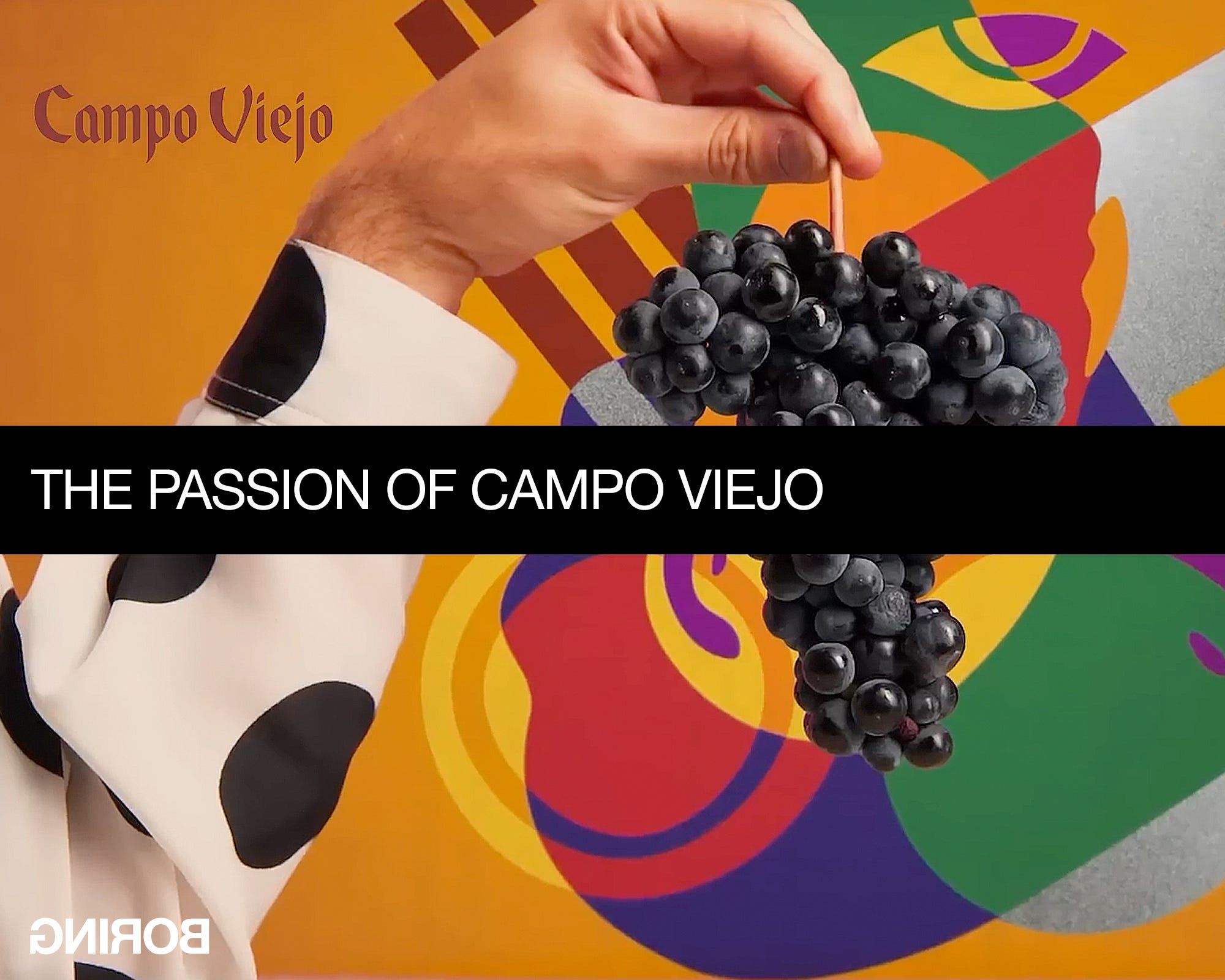
For a few years now, I’ve written about the vast blue ocean of opportunity in wine for any brand that dares to break away from the sector’s mimetic pull towards category clichés. It’s gotten to the point where I can’t stop smiling whenever I hear someone is making the jump, whether they’re a client of ours or not.
Vinarchy’s Campo Viejo have decided to sail that blue ocean, so let’s take a closer look.
First of all, a recap: why does the opportunity exist?
Two reasons.
One, because most players in the wine category use category clichés, which leaves the door wide open for any brand that understands the value of differentiation and distinctiveness. The fact that they are clichés is “hidden” from most of the players themselves, who believe their version of the cliché is unique. For example, if two wines sell the idea that they’re different because of their different terroirs, they’re both still talking about terroir. Next time you go to a wine fair, try playing bingo with the keywords everyone uses to describe their wine brand: the list is remarkably short.
Two, because most players in the wine category focus on the 5% of adults in the world who drink wine regularly, not on the 95% of adults who drink other things (cocktails, beer, soft drinks, etc.) but who would probably drink the occasional glass of wine if they found a brand that matched their inner desires. So, there is a giant market of casual consumers. Given that academic studies are demonstrating the vast majority of consumers in most markets aren’t hardcore fans but casual consumers, the opportunity is right there for the taking.
So, let’s start with the first point.
Category clichés turn brands into intellectual commodities, reducing their ability to generate emotional value in the consumer’s mind. In the wine sector, this is true regardless of whether they’re classic clichés like terroir, tannins and tradition, or the trend-tied “missionary” clichés like, say, sustainability.
By contrast, if your competitors sell the place their wine is from in terms of terroir, but you sell a place the consumer would love to be in themselves, you’ve created the kind of difference that cultivates desire.
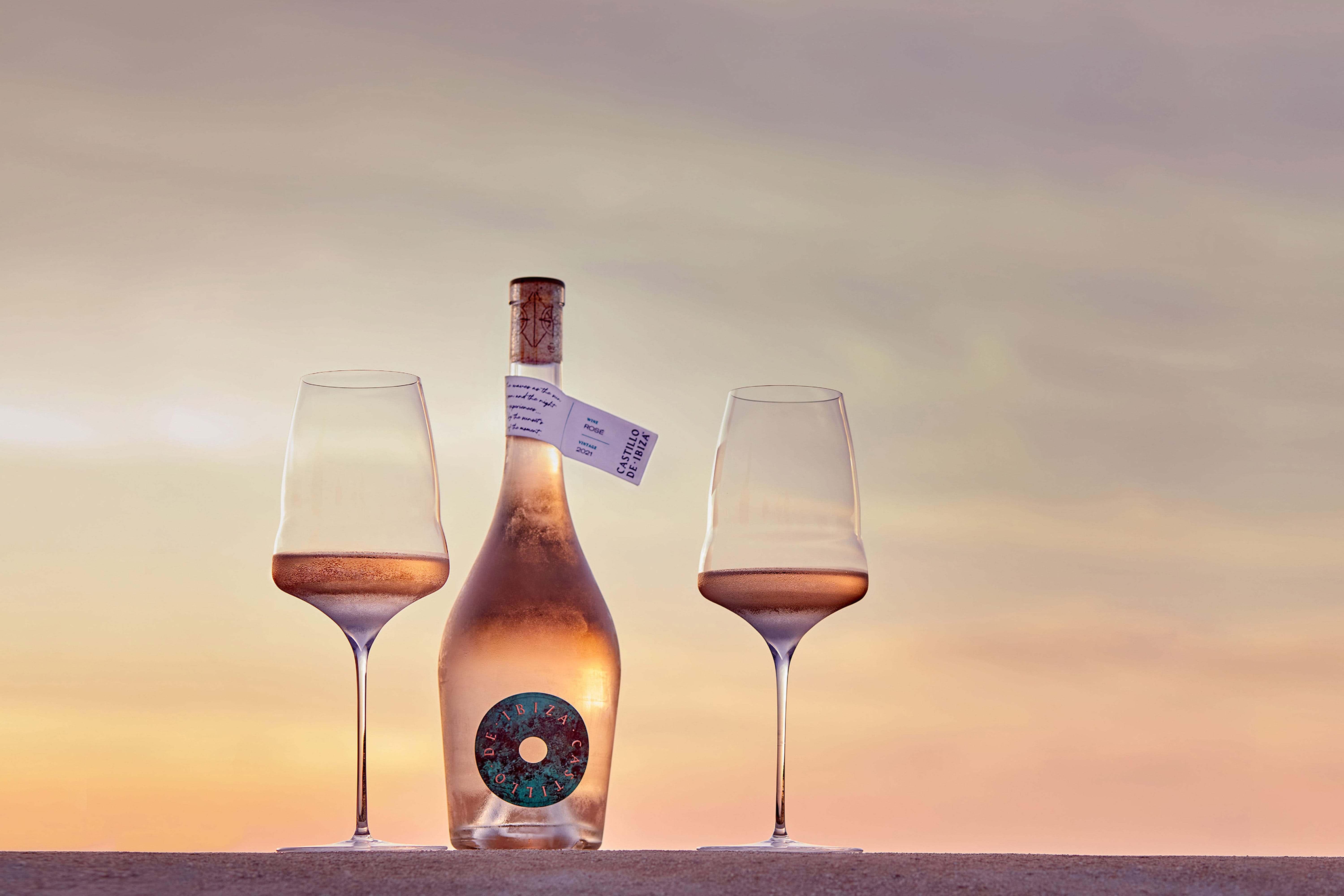
For example, we see this idea executed perfectly with another one of Vinarchy’s other brands—Castillo de Ibiza—a rosé wine you’ll want to drink at a sunset beach party in Ibiza with your friends.
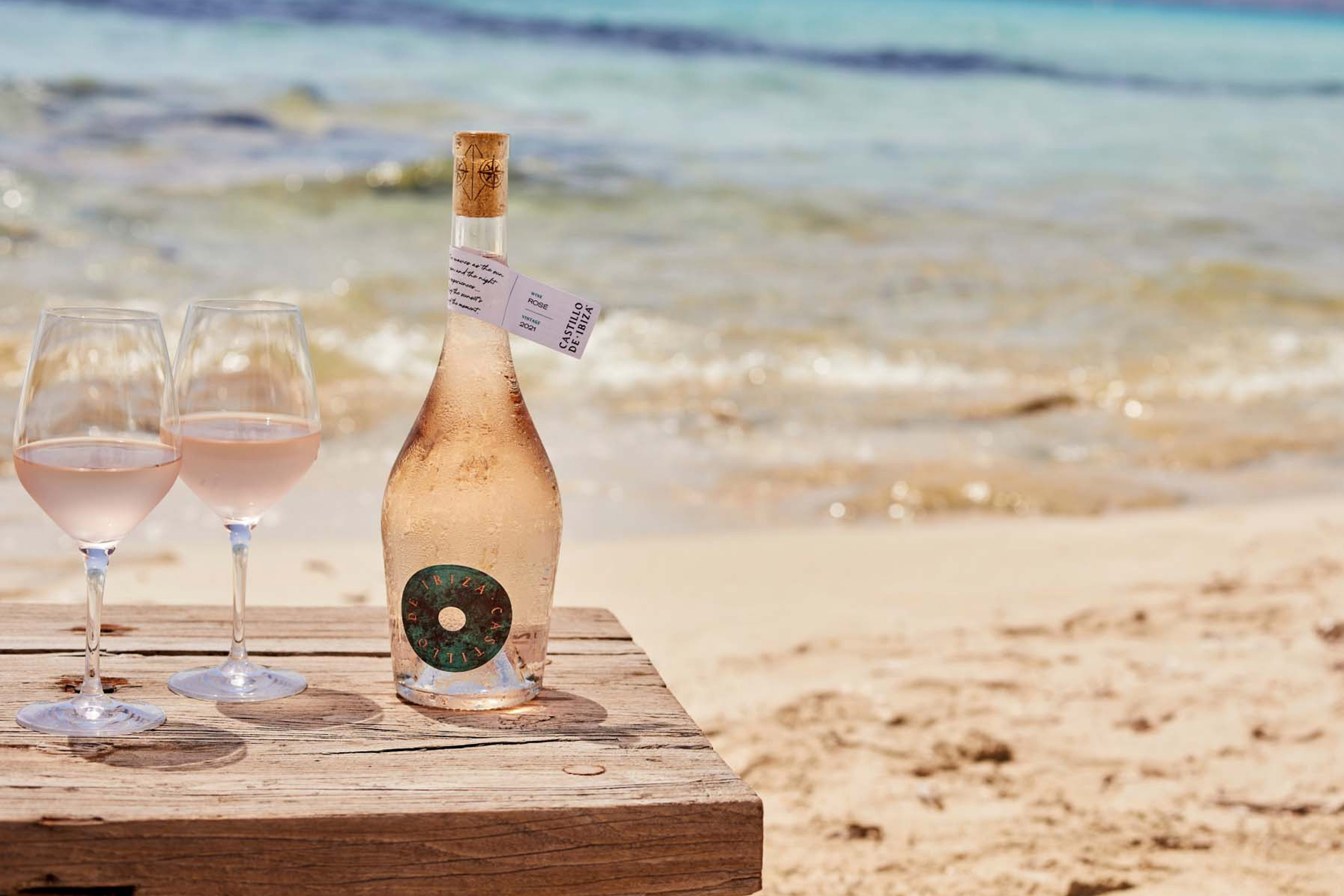
Now, that’s not to say every wine brand should start to sell their wine in terms of a destination. Naturally, the more people talk about their wine in a certain way, the more that way then becomes a new cliché. So, don’t go looking at your successful competitors and thinking “huh, people like how they look, let’s copy that”.
Where you should be looking instead, is in the consumer’s mind, what I often call “the drinker’s terroir”.
The drinker’s terroir brings us to the second point: that most wine brands seem to just talk to the 5% of consumers who already drink wine, ignoring the 95% who don’t.
And the reason that’s a massive opportunity is that the drinker’s terroir is a lot more fluid than most wine makers believe it to be. If a host at a party asks you what you’re drinking, the range of options is much wider than simple product categories. For example, instead of a “fresh and summery white wine”, you might want a “fresh and summery something”, which could include anything from a citric juice to a gin and tonic. We know this, from the consumer’s end, and yet it’s pretty much a given that wine makers simply consider their competitors to be the other wine makers in their own AOC.
So, flip the terroir: what is a deeply held desire in our consumers that we are uniquely placed to offer them?
Here is one way (among many) to answer that.
Social conventions decided a long time ago that what you’re drinking in public says something about you. Consumers have come to use what they drink as a kind of prop for cosplay: a form of expression of someone they desire to be. Some want to be cool, others refined, some want to play host, others want to be the life of the party, etc.
There’s plenty of room, in other words, for invention and creativity. But it all starts with the consumer: who they want to be, where they want to be, and when they want to be.
Which is why I love the latest Campo Viejo campaign.
First of all, because it positions the entire offering on a single, simple concept: “passion”. I’ve sat in brand presentations lasting over an hour and, believe me, shorter is better. Nearly always, a brand concept you can express in a single word will win the game.
This is especially true for socially consumed products like wine. Because they’ve evolved from products to expressive channels for a persona you aspire to be—like “passionate”.
In other words, products like wine become vehicles for social projection: consumers use the product to project a persona.
We’ve spoken about this before, in the context of other sectors, like watches. Rolex = “success”. Patek = “legacy”. Corum = “courage” (at least, it did when we were responsible for the brand concept).
One-word, emotionally resonant positioning strategies work. Why? Because consumers don’t have the mental space for your brand to occupy much more than a single word, but your opportunity is there to make that small space shine as bright as a beacon.
And to do that—to really shine—what that small space needs, is connections to all kinds of mnemonic pathways that lead to it. Building these mnemonic pathways in the consumer’s mind is how the brand becomes salient when the consumer is looking to express your concept. Which is precisely what Campo Viejo has been doing.
The brand wears its Spanish-ness on its sleeve, so it jumps at opportunities to develop distinctive brand assets that echo this, for example by writing it “pasión”. Or by taking a colour the labels have been using for decades—yellow and red—but intensifying them to the colours of the Spanish flag. Or by doing other things that you don’t often see in wine, like mixing it into sangria and other cocktails, even a spritz (the alliteration between Spain and Spritzed is a great touch, too).
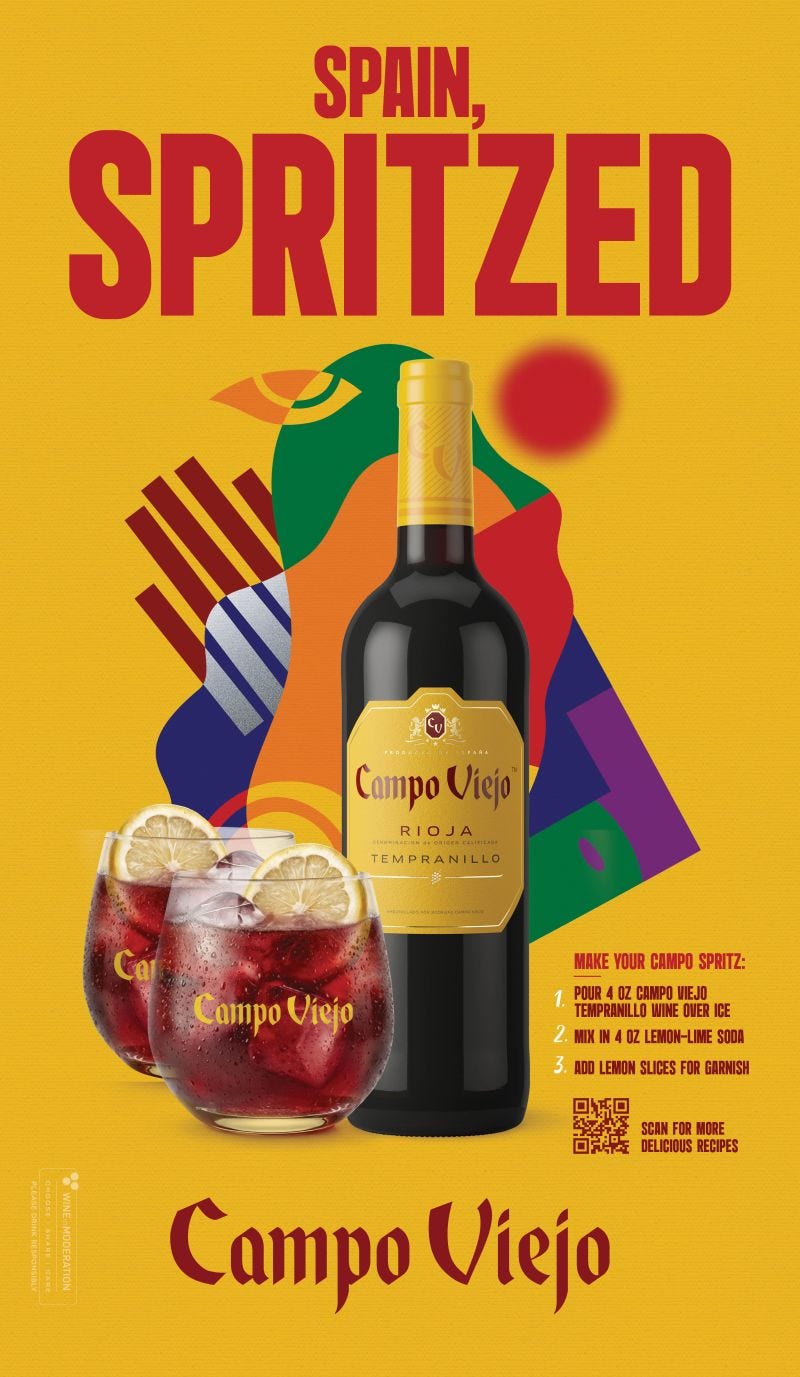
And, of course, passion is something we already associate with Latin countries in general. It’s a cliché to say it, but the cliché works because, in the wine space, nobody owns it. No wine brand has staked a claim on expressing “passion” (unlike, say, “romance”, which plenty of mediocre wine brands have tried to express in a very clumsy way).
Building on this, Campo Viejo creates associations with other things we conceive of as passionate—in art, architecture, design, music, dance, etc. All aesthetic experiences that can then be used to create a brand world for Campo Viejo. If you look at the video again, you’ll see it’s essentially a moodboard for passion. And that’s all it needs to do: evoke the aesthetic and let the consumer’s mind do the work of creating those category associations.
In summary: great positioning, and great execution. Well done, Vinarchy.
Other people’s newsletters are boring.
Ours is GNIROB.
Subscribe.
The Passion is clear!!
Their Rosé bottle reminds me of my favourite wine from OTT..