


Back when I was working on film campaigns, one thing that ended up really frustrating me was how ephemeral the projects actually were.
A film would come out in a few months’ time, we’d build the campaign for it all the way until it premiered, then it would play a few weeks in the cinema, and then just… disappear 🙄
Only very occasionally would we get to do something over the longer term, as happened with Fight Club, which spent very little time in the cinemas but did outrageously well in DVD sales.
When I made the transition to luxury brands, some of our first clients were jewellery brands (Asprey, Garrard, Boucheron and later Fabergé…). One client in particular was very focused on engagement jewellery, which is probably the one sector that is mostly affected by the 95/5 rule, which we could summarise as follows:
As much as people might like looking at your engagement rings, most of them are just not at a point in their lives when they’re about to get on one knee and propose.
Your ad may be really good, but at least 95% of your audience are just not in the market for what you’re selling. Which is a challenge.
But once you accept it as a fact of life, the great thing is that you'll learn two things that luxury and heritage brands can really benefit from.
First: since only 5% of your target audience are currently in the market for the product you’re selling, your job is to sell to the other 95%’s future selves, i.e., the “future version” of your customer who will be in the market for your product at some point in the future.
So, do the kind of creative work that will be:
a) memorable enough to still be in the mind when the future arrives
b) linked to your brand’s concept, so they don’t think of other brands when they enter your category entry point.
Second: since future buyers are being targeted with your adverts today, the effect of great work is cumulative. Its impact compounds over time. So, your job is to do the kind of creative work that isn’t just focused on longevity, but that benefits from this compounding effect. The longer you manage to ride the wave of your creative campaign, the more effective every single advert will be in the future, as it’s standing on the shoulders of ever-growing giants, so to speak.
It takes a certain kind of creative character and mindset to keep iterating a unique concept over many years in a way that seems fresh and new, never mind the many decades of consistency we tend to associate with the most successful luxury brands. The public may not get bored, but the marketing team certainly will. Building up fast hype just feels so exciting, and it probably shows up more impactful in short-term sales figures than slowly building the cultural halo some products get to acquire over many decades.
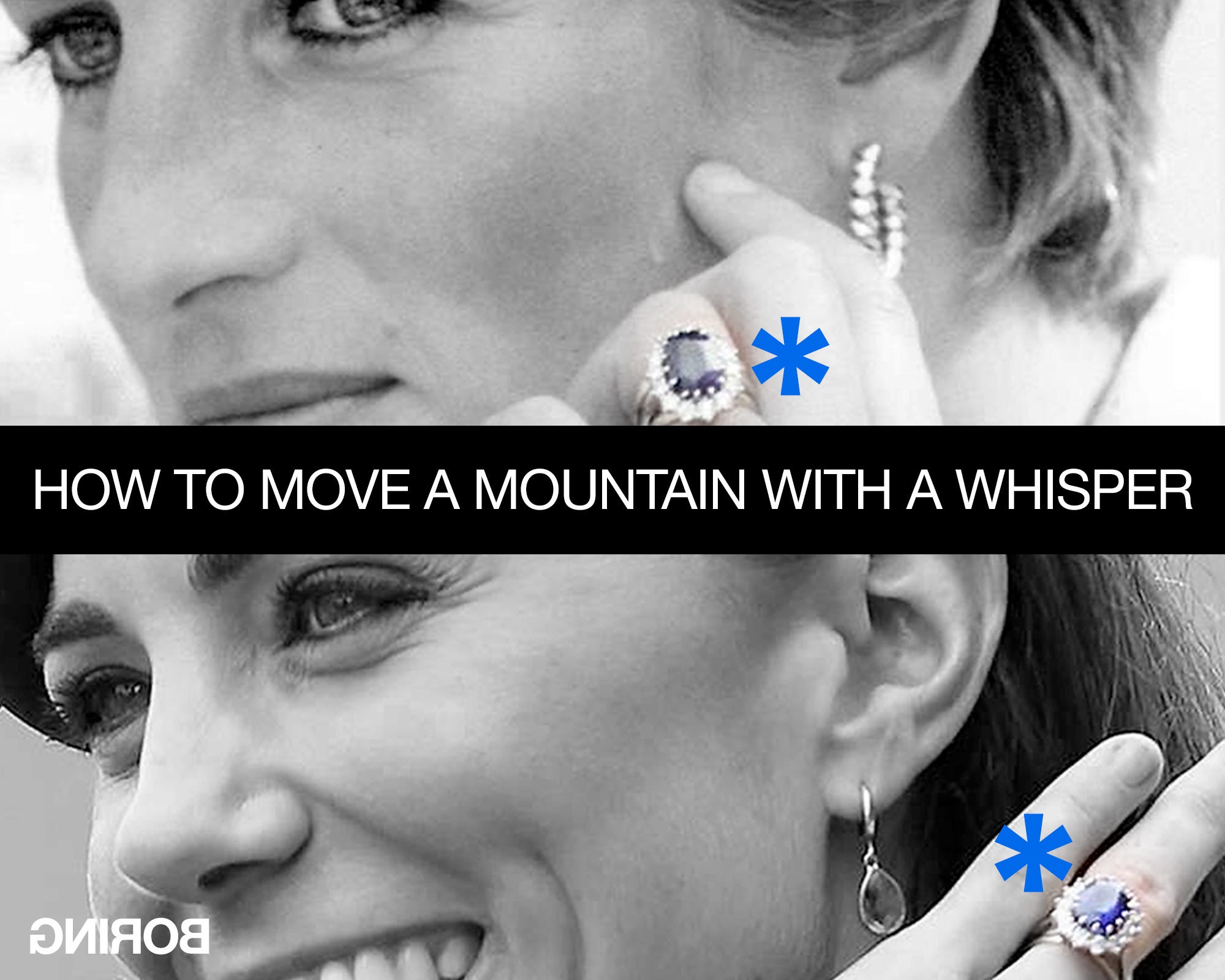
But if you want to move a mountain with the slightest whisper in 50 years’ time, it’s the long stories—like Hermès's Birkin bag or Garrard’s engagement ring for Diana—that will teach you how to get there. In this sense, your creativity is valued not in your ability to create new things, but in your ability to make old things feel new and exciting again, and again, and again. Turn boring into gnirob.