


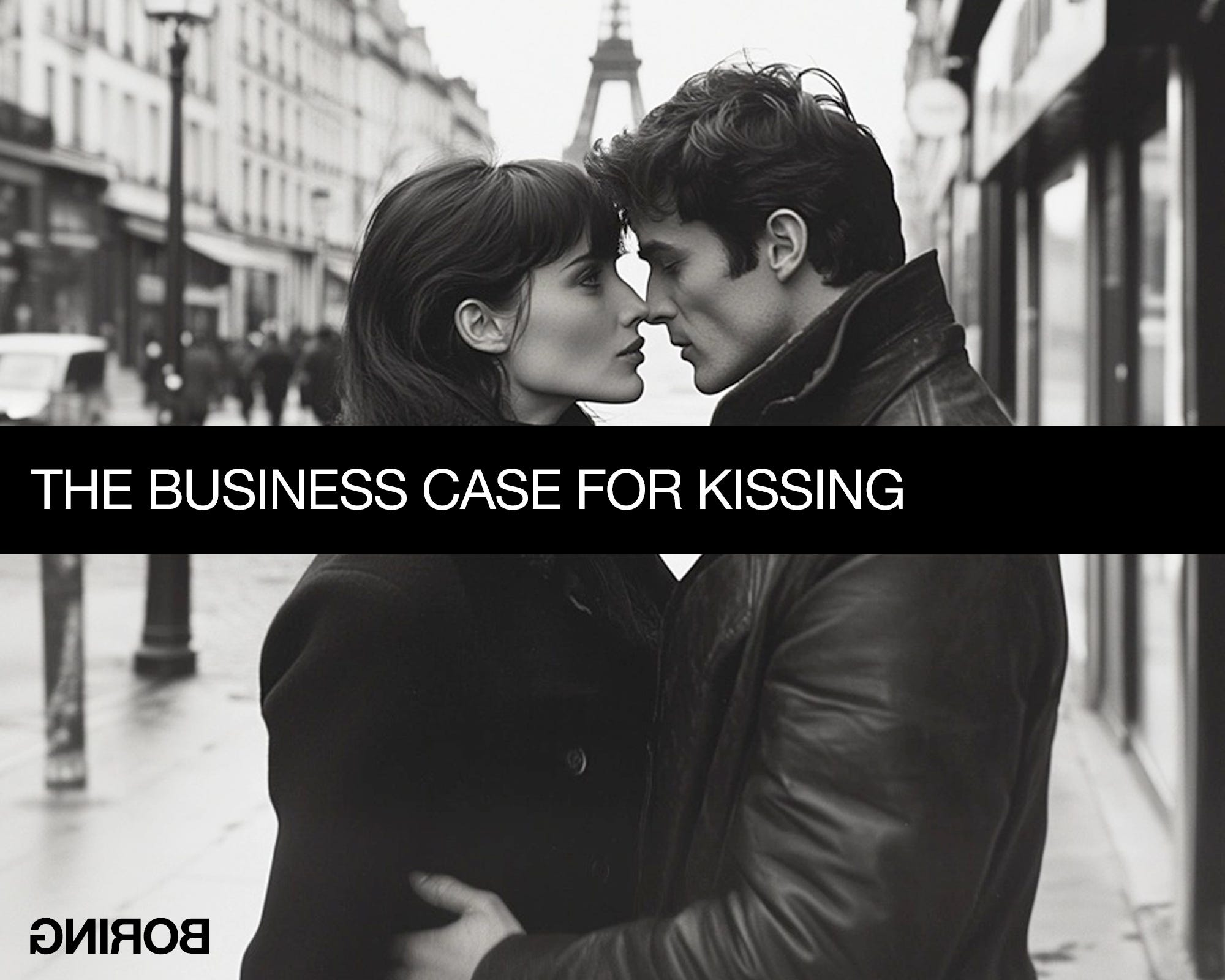
Have you ever stood in front of the Eiffel Tower and wondered what its brand mission, vision, values, purpose and brand pillars were?
Neither have I. And yet, I often work with clients whose company is just as old and famous as the Eiffel Tower, who have at some point felt the urge to load up on this kind of pseudo-brand assets.
Typically, we’ll start our first historical analysis session with them, looking forward to seeing lots of authentic historical gems, when someone will instead present these pseudo-assets, all laid out in a pyramid, diamond or circle with arrows pointing from one keyword to the other.
If you’ve been there and you’re wondering why you’re unable to convert all this guff into a brand that people fall in love with, read on.
The task, first of all, is to KISS: keep it short and simple. For example, think about the brand as you would a famous person: what is this person famous for? This will help you ignore all the mess and search for the most important thing: the brand concept—by which I mean the consumer’s way of “getting it”.
What do you need for the consumer to “get it”? Well, let’s start with having an “it” for them to “get”.
“It” is the new and unique value you bring to the market. This is where I think many brand strategies go wrong: they’re just not truthful. You must start from the truth, i.e., from what you have. Not from some random brand vision that happens to be in vogue today.
Note: it's not that a brand vision is in itself a bad thing to work with. It's that, more often than not, brand vision statements are disconnected from what a business truly brings to the table.
If you extrapolate a bright future from the intrinsic value you create—asking yourself what the world would look like if you were wildly successful at creating this—you’ll have a much higher chance of working with an original, compelling and authentic vision, with the added benefit that it’s a vision you can actually realise: it starts from what you already have in your toolbox.
Next comes “getting” it. What I mean by this is an emotionally resonant way of understanding it. As in, if I explain a joke to you, you’ll understand it but you won’t “get it”. You need to “get it” to actually laugh.
Three things need to happen for the consumer to “get it”.
1: Keep it singular. In a world of information glut, consumers only have a tiny amount of space in their mind to dedicate to you. So, stick to just one thing.
2: Keep it striking. You can’t own a large space in the consumer's mind, but you can make it shine like a beacon.
3: Keep it special. If your brand talks about an “it” that is mostly associated with another brand, that brand is the one consumers will remember when they’re in a buying situation, not yours. Own something nobody else can own.
KISSing is far from easy. I’ve been doing it for a quarter of a century, and I’m still surprised by the intellectual effort it takes. But once you’ve done it, brand love is just a few steps away.