


A few weeks ago, a client whose company we worked for a couple of years ago, expressed her amazement at how we had formulated a successful brand concept after just a few workshops and study weeks, when—after working many years in her sector—she herself hadn't been able to work it out.
The compliment was touching, but the actual answer to the question is simple.
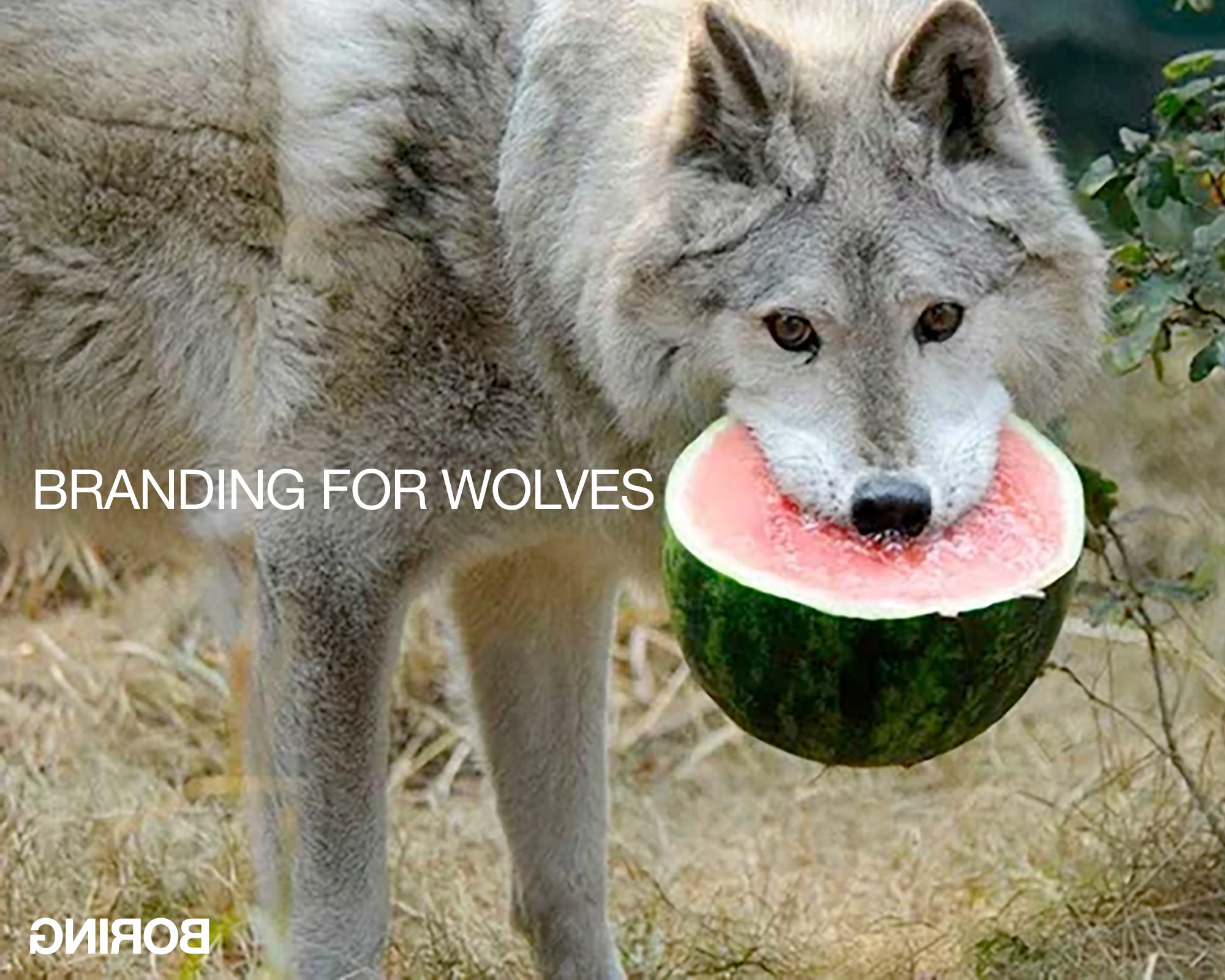
Imagine two animals eating lunch. One is a wolf, the other is a human.
The wolf eats because it’s hungry. Its body has some nutritional needs that manifest themselves into the kind of things it feels like eating. It doesn’t know its carbs from its ketones, but it has 𝘷𝘪𝘣𝘦𝘴. So, if it feels like eating a rabbit? Boom. Rabbit time!
The wolf has zero formal knowledge about nutrition, or even what goes on inside its body. Its 𝘁𝗮𝗰𝗶𝘁 𝘂𝗻𝗱𝗲𝗿𝘀𝘁𝗮𝗻𝗱𝗶𝗻𝗴 of what to eat works OK.
This has the advantage that it doesn’t need to be taught very much in order to feed itself, which means that its survival is not dependent on culture, or any kind of knowledge distributed in the minds of other wolves.
But it pales in comparison to the nutrition science—i.e., the formal knowledge backing up the human’s diet—which can extend the human’s life by many decades and branch out into sciences like pharmacology and healthcare.
When you eat something, biologists, chemists, physicians and nutrition scientists have a pretty good idea of what goes on in your body, and can use this knowledge to cure you from diseases as well as optimise your diet so you increase your ability to live a longer, healthier and happier life.
This kind of 𝗳𝗼𝗿𝗺𝗮𝗹 𝗸𝗻𝗼𝘄𝗹𝗲𝗱𝗴𝗲 has turned humans into the most successful animal on this planet.
And it does the same for brands and businesses: plenty of businesses operate just fine with a tacit understanding of what it is their clients want, and how to give it to them at a profit. But they pale in comparison to the formal brand knowledge that leads the most successful brands on Earth to occupy a space in our hearts and minds.
So, one way of conceiving the branding process is as the process of converting tacit understanding into formal knowledge. Essentially: 𝗵𝗲𝗹𝗽𝗶𝗻𝗴 𝘄𝗼𝗹𝘃𝗲𝘀 𝘁𝗮𝗹𝗸. Turning what they know in their bones into language. Repeatable, communicable, scalable language.
Which is how you go from chasing rabbits to building a global chain of Whole Foods.